
Brick Masonry vs Stone Masonry: Detailed Comparison for Builders
When it comes to constructing a building, the choice of masonry is crucial. Two popular options are brick masonry and stone masonry. In this article, we will explore the differences between these two types of masonry, including their advantages, disadvantages, and costs.
Introduction to Brick Masonry
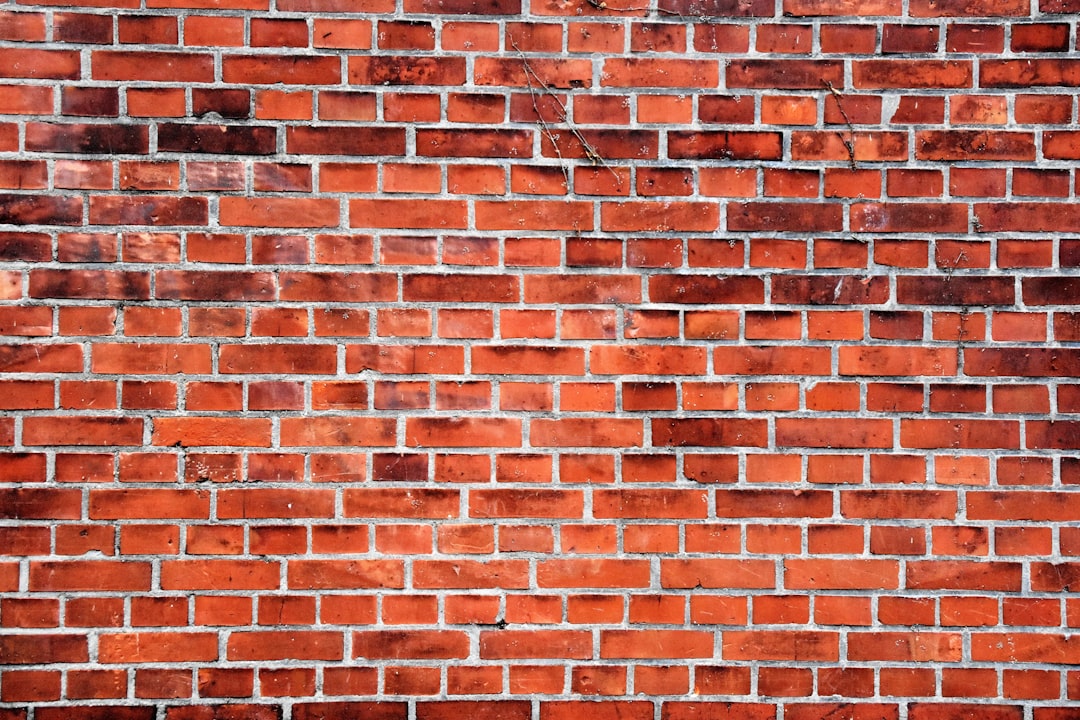
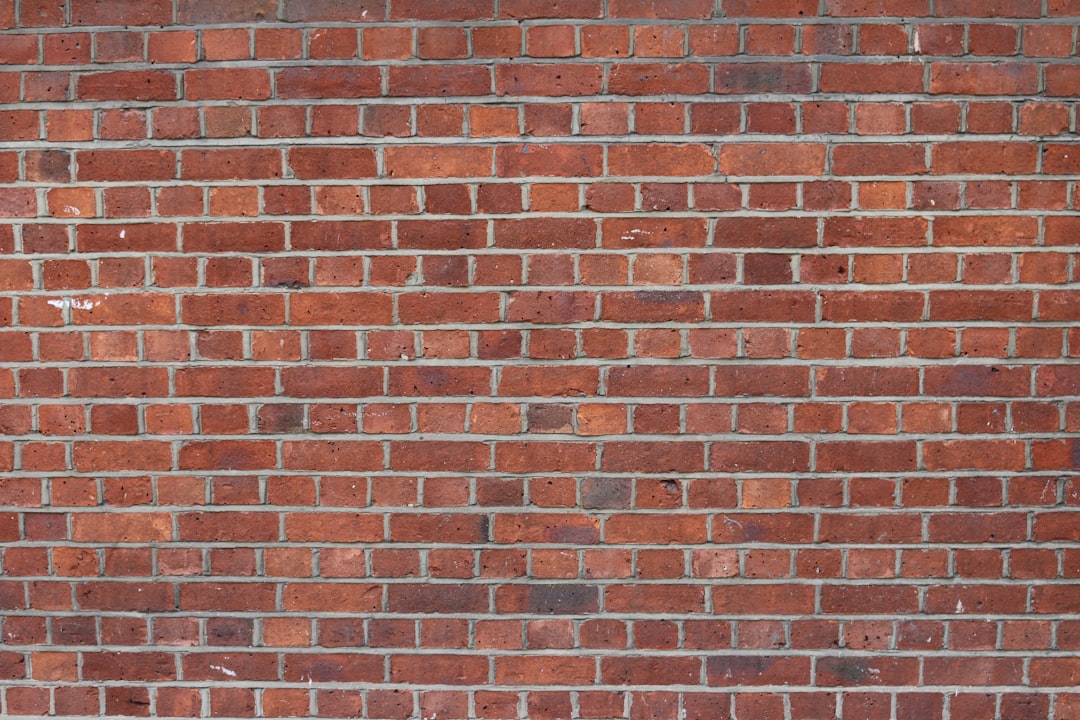
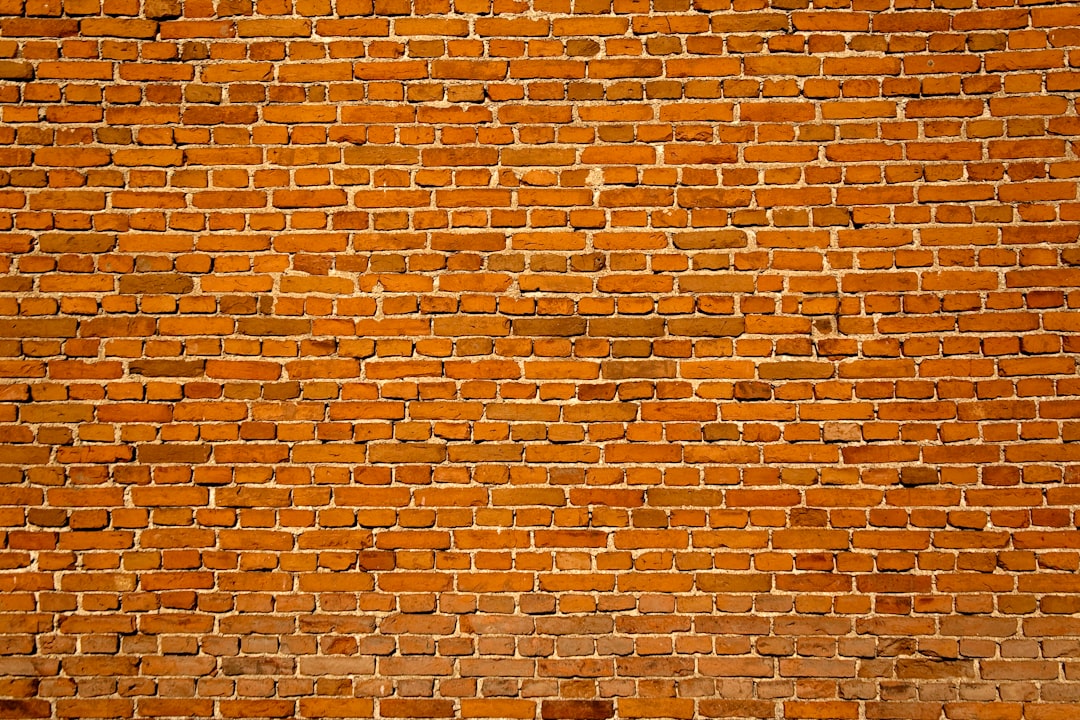
Brick masonry is a type of masonry that uses bricks as the primary building material. Bricks are made from clay, shale, or concrete, and are available in various sizes and shapes. Brick masonry is widely used in construction due to its durability, low maintenance, and aesthetic appeal.
For example, best exterior wall paint can be applied to brick masonry to enhance its appearance and protect it from the elements.
Introduction to Stone Masonry
Stone masonry, on the other hand, uses natural stones such as granite, limestone, or sandstone as the primary building material. Stone masonry is known for its strength, durability, and unique texture.
However, stone masonry can be more expensive than brick masonry, especially when using high-quality stones. Green building materials can be used in stone masonry to reduce its environmental impact.
Comparison of Brick Masonry and Stone Masonry
The following table compares the costs of brick masonry and stone masonry in different countries:
| Country | Brick Masonry (per sqm) | Stone Masonry (per sqm) |
|---|---|---|
| India | INR 500 - 1000 | INR 1500 - 3000 |
| UAE | AED 200 - 400 | AED 500 - 1000 |
| UK | GBP 30 - 60 | GBP 80 - 150 |
| USA | USD 50 - 100 | USD 150 - 300 |
| Australia | AUD 80 - 150 | AUD 200 - 400 |
The costs listed above are approximate and can vary depending on the location, type of material, and labor costs.
International Standards
Brick masonry and stone masonry must comply with international standards such as IS codes, BS EN, ASTM, and AS/NZS. These standards ensure that the masonry is safe, durable, and meets the required building codes.
For example, TMT bar vs rebar can be used in brick masonry to enhance its strength and durability.
Practical Considerations
When choosing between brick masonry and stone masonry, builders must consider factors such as climate, soil type, and architectural style.
For instance, porcelain vs ceramic tiles can be used in brick masonry to create a durable and water-resistant surface.
Pro Tip from Naresh Sihag: When building a house, it's essential to consider the long-term maintenance and repair costs of the masonry. Brick masonry and stone masonry require regular maintenance to ensure their durability and longevity.
Conclusion
In conclusion, brick masonry and stone masonry are both popular options for builders, each with its advantages and disadvantages. By considering factors such as cost, durability, and aesthetic appeal, builders can choose the best type of masonry for their project. For a comprehensive guide on building a house, refer to our article on how to build a house.