
Introduction to Building a House
Building a house can be a daunting task, especially for those who are new to the construction industry. However, with the right guidance and planning, it can be a rewarding experience. In this article, we will provide a step-by-step guide on how to build a house, covering everything from planning and design to construction and completion.
Step 1: Planning and Design
The first step in building a house is to plan and design the layout and architecture of the building. This involves creating a detailed blueprint of the house, including the location of rooms, windows, doors, and other features. It's essential to consider factors such as climate, soil type, and local building codes when designing the house.
For example, in India, the steel required for the slab can be calculated using the IS code, while in the UK, the BS EN code is used. Similarly, in the USA, the ASTM code is used, and in Australia, the AS/NZS code is used.
Step 2: Site Preparation
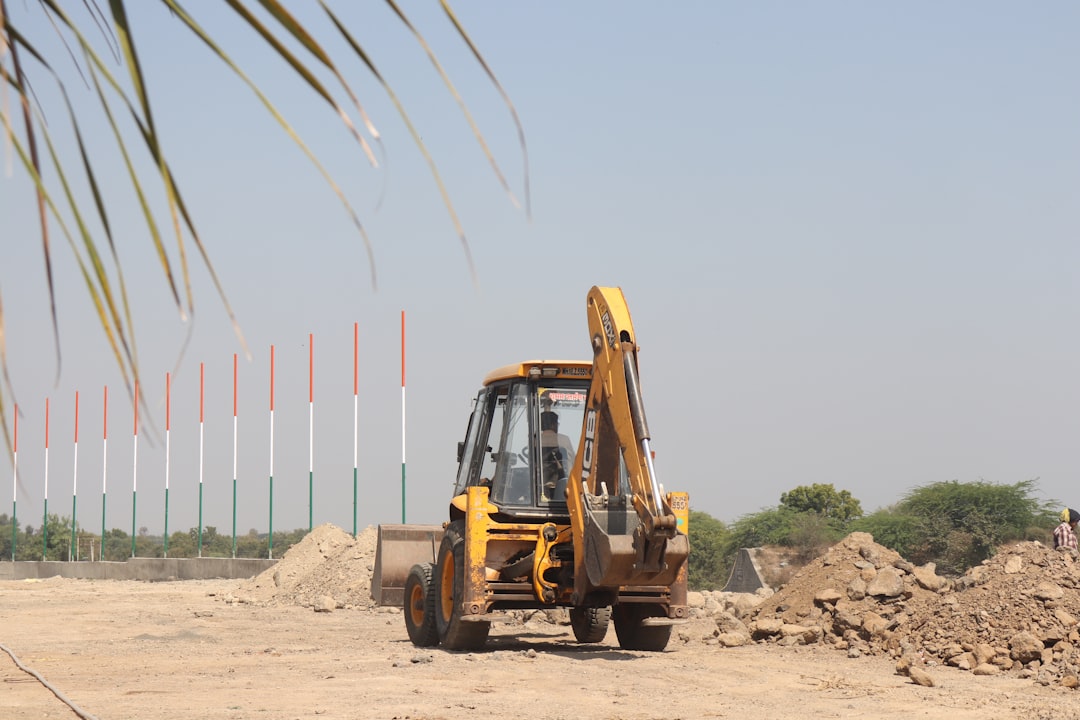
Once the design is complete, the next step is to prepare the site for construction. This involves clearing the land, excavating the foundation, and laying the foundation slab. The cost of site preparation can vary depending on the location and type of soil. The following table provides an estimate of the cost of site preparation in different countries:
| Cost (per square meter) |
|---|
| INR 500-1000 |
Step 3: Foundation Work
The foundation of the house is the most critical part of the construction process. It's essential to use high-quality materials and follow the local building codes to ensure the foundation is strong and durable. The type of foundation used can vary depending on the type of soil and the design of the house.
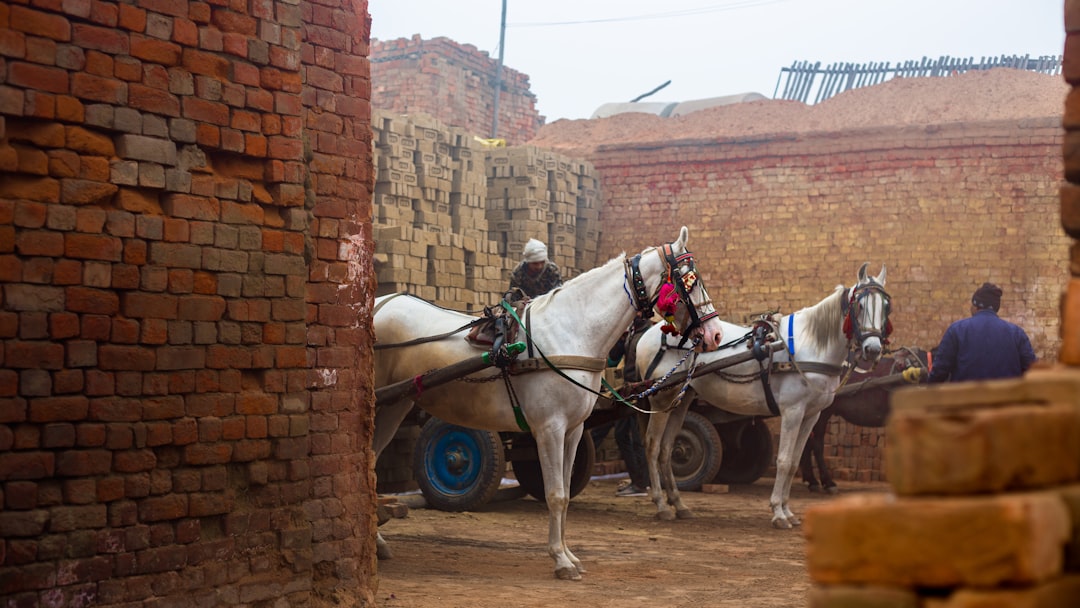
For example, AAC blocks can be used for the foundation walls, while fly ash bricks can be used for the external walls. The cost of foundation work can vary depending on the type of materials used and the complexity of the design.
Step 4: Superstructure
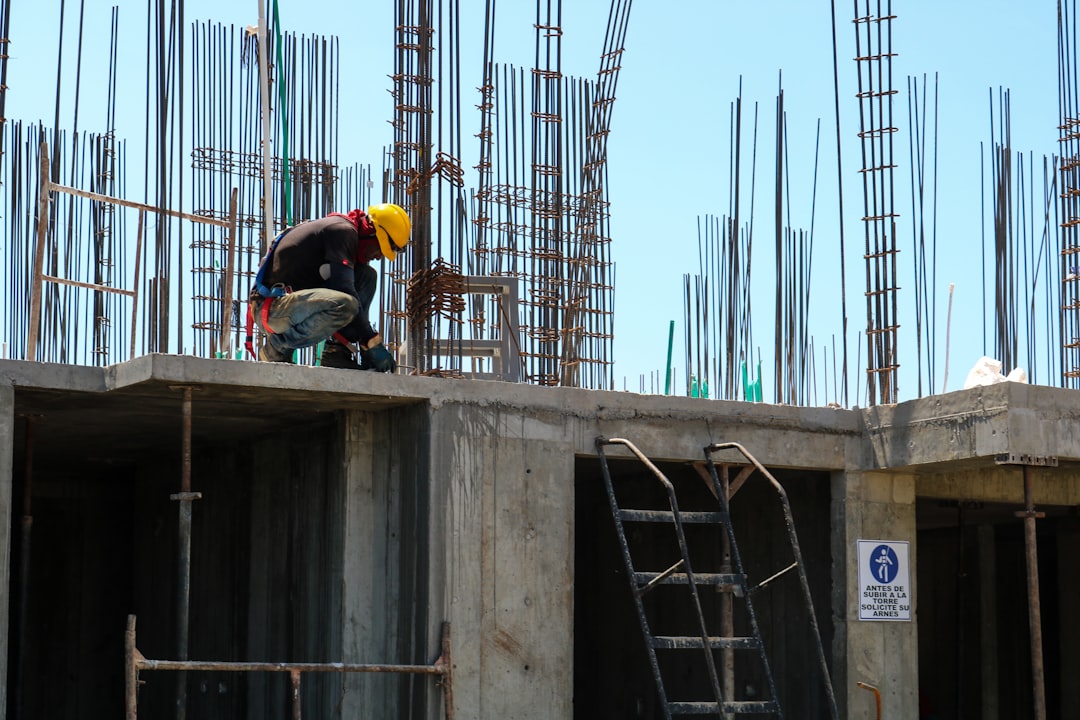
The superstructure of the house includes the walls, columns, beams, and slabs. The type of materials used for the superstructure can vary depending on the design and local building codes. For example, M20 concrete mix can be used for the slabs, while TMT bars can be used for the reinforcement.
The cost of superstructure can vary depending on the type of materials used and the complexity of the design. The following table provides an estimate of the cost of superstructure in different countries:
| Cost (per square meter) |
|---|
| INR 1500-3000 |
Step 5: Finishing Work
The finishing work includes the installation of doors, windows, flooring, and painting. The type of materials used for the finishing work can vary depending on the design and personal preferences. For example, porcelain tiles can be used for the flooring, while exterior wall paint can be used for the external walls.
Pro Tip: When building a house, it's essential to consider the climate and local building codes to ensure the house is durable and energy-efficient. Using green building materials can also help reduce the environmental impact of the house.
Conclusion
Building a house requires careful planning, design, and execution. By following the steps outlined in this article and considering the local building codes and climate, you can build a house that is strong, durable, and energy-efficient. Remember to use high-quality materials and follow the right type of cement to ensure the house stands the test of time.
For more information on building a house, you can refer to our other articles, such as Ready Mix Concrete vs Site Mix Concrete and How to Calculate Steel Required for Slab.