
Expert Construction Material Insights — Since 2024 info@bricksstreet.in
Bricks & Masonry

Types of Bricks Used in Construction: Complete Guide

A complete guide to every type of brick used in construction — clay, fly ash, AAC, hollow, sand-lime, fire bricks, and more. With properties, uses, and costs for India, UK, USA, UAE, and Australia.

Updated: Jun 23, 2026
5 min read
15 views
Share
types of bricks used in construction

Walk into any building materials supplier and you'll find bricks in dozens of types, grades, and names — and if you're not familiar with what each one is for, it's easy to end up buying the wrong thing. The wrong brick in the wrong application doesn't just look bad. It can absorb water, crack, spall, or fail structurally over time.

This guide covers every major type of brick used in construction worldwide — what they're made of, where they're used, their strengths and weaknesses, and approximate costs in India, UAE, UK, USA, and Australia.

1. Clay Bricks (Fired Bricks)

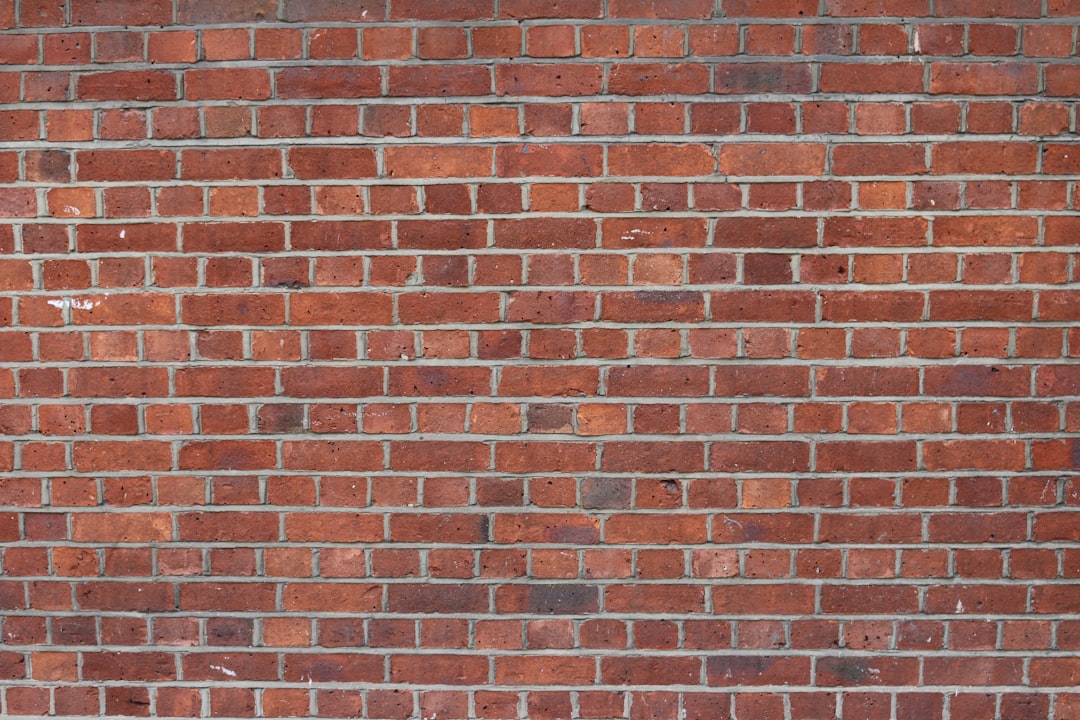
The original and most widely used brick type globally. Clay bricks are made from natural clay, shaped (either handmade or machine-pressed), and fired in a kiln at 900–1,200°C. The firing transforms the clay into a hard, durable ceramic material.

Key properties: High compressive strength (3.5–35 N/mm² depending on grade), excellent fire resistance, high thermal mass, good durability when properly fired.

Types within clay bricks:

  • Common bricks — used in internal or hidden structural work where appearance doesn't matter. Lower quality, sometimes irregular.
  • Facing bricks — manufactured to consistent size, colour, and texture for exposed exterior work. Higher cost.
  • Engineering bricks — very high density and low water absorption. Used below DPC, in sewers, manholes, and anywhere needing maximum durability.
  • Handmade bricks — irregular, textured, used for heritage restoration and feature brickwork.

Standard: IS 1077 (India), BS EN 771-1 (UK/UAE), ASTM C62 (USA), AS/NZS 4455 (Australia)

2. Fly Ash Bricks

Fly ash bricks are made from fly ash (a byproduct of coal-fired power stations), cement, sand, and water. They are cured rather than kiln-fired. Extremely popular in India because they use an industrial waste product, are cheaper than clay bricks, and have very consistent dimensions.

Key properties: Compressive strength 7.5–10 N/mm² (Class A), lighter than clay brick, low water absorption, uniform size, good workability.

Best for: Residential and commercial construction in India and parts of Southeast Asia. Not widely used in the UK, USA, or Australia, where clay and concrete are dominant.

Standard: IS 12894 (India)

See our complete comparison of fly ash bricks vs red bricks for a detailed breakdown.

3. AAC Blocks (Autoclaved Aerated Concrete)

Not a brick in the traditional sense, but widely used as a brick alternative. AAC blocks are made from cement, lime, sand, and aluminium powder, which creates millions of tiny air bubbles — making the blocks very lightweight (roughly 1/5th the weight of concrete). They're cured in an autoclave (high-pressure steam chamber).

Key properties: Very lightweight, excellent thermal insulation, good fire resistance, easy to cut and shape, low structural load on foundations.

Best for: Internal partition walls, infill panels in frame construction, non-load-bearing walls where thermal insulation matters. Used widely in India, UAE, Turkey, and Australia.

Limitation: Lower compressive strength than clay brick. Not suitable for heavily loaded structural walls without additional engineering.

Standard: IS 2185 Part 3 (India), BS EN 771-4 (UK/Europe), ASTM C1693 (USA)

4. Hollow Bricks (Perforated Bricks)

Hollow bricks have cylindrical or rectangular holes (perforations) running through them. The voids reduce weight, slightly improve thermal insulation, and reduce the amount of raw material needed. They can be made from clay or concrete.

Key properties: Lighter than solid bricks, moderate thermal performance, reduced dead load on structure, faster to lay.

Best for: Partition walls, internal walls in frame construction, non-load-bearing exterior cladding in warm climates (India, UAE, Mediterranean). Our complete guide on hollow bricks — sizes, weight, and price covers specifications in detail.

5. Sand-Lime Bricks (Calcium Silicate Bricks)

Made from sand and lime (no clay, no firing in the traditional sense — cured in an autoclave). They have a smooth, pale grey or white appearance and excellent dimensional accuracy.

Key properties: Consistent size, smooth face, good acoustic insulation, no efflorescence risk (no soluble salts).

Best for: Interior walls where sound insulation matters, fair-faced internal brickwork. Common in Germany, Netherlands, and Scandinavia. Limited use in India and Australia.

Limitation: Cannot be used below DPC or in persistently wet conditions — lime dissolves.

Standard: BS EN 771-2 (Europe), ASTM C73 (USA)

6. Concrete Bricks

Made from Portland cement, aggregate, and water — essentially small-format concrete blocks. More common as bricks in South Africa and parts of Australia. They're denser and heavier than clay bricks, and less visually appealing, but strong and consistent.

Best for: Below-ground work, retaining walls, foundations. Also used for exposed work when painted or rendered.

7. Fire Bricks (Refractory Bricks)

Specially formulated to withstand extremely high temperatures — 1,500°C and above. Made from fireclay or alumina. Dense, heavy, and designed to retain heat.

Best for: Fireplaces, pizza ovens, kilns, furnaces, industrial incinerators. Not a structural brick — too expensive and too dense for general construction.

Cost: Significantly more expensive than standard bricks — typically 3–5× the price per unit.

8. Exposed Aggregate / Textured Facing Bricks

A premium category of facing brick with a deliberately textured, rustic, or colour-varied appearance. Includes wire-cut bricks (cut with wire as they leave the extruder, leaving a rough texture), tumbled bricks (artificially aged), and handmade-look machine bricks.

Best for: High-end residential exterior work, feature walls, heritage-style developments.

Cost: Premium — typically 2–4× the price of standard commons in the UK, USA, and Australia.

Brick Type Comparison Table

Type Strength Thermal Cost (relative) Best Climate
Clay (common) Medium High mass Medium All
Clay (engineering) Very high High mass High All
Fly ash Medium-high Medium Low Hot/tropical
AAC block Low-medium Excellent insulation Medium All
Hollow brick Medium Medium Low-medium Hot/warm
Sand-lime High Medium Medium Temperate
Fire brick High (heat) Retains heat Very high N/A (specialist)
Pro Tip: In India, fly ash bricks are the best value for general construction — better consistency than clay bricks at lower cost. In the UK and Australia, use facing bricks for exterior exposed work and cheaper commons or blockwork for internal and hidden structural work. Never use commons in an exposed exterior position — they're not weather-rated.

Costs by Country

Brick Type India (per 1,000) UK (per 1,000) USA (per 1,000) Australia (per 1,000)
Clay common ₹5,000–₹9,000 £200–£400 $350–$600 A$500–A$900
Facing brick ₹8,000–₹18,000 £400–£1,000 $600–$1,200 A$800–A$1,500
Engineering brick ₹10,000–₹20,000 £500–£900 $700–$1,400 A$900–A$1,600
Fly ash brick ₹3,500–₹7,000 Not common Not common Not common

Frequently Asked Questions

The main types are: clay bricks (common, facing, engineering), fly ash bricks (popular in India), AAC blocks (lightweight, insulating), hollow bricks (lighter, faster to lay), sand-lime bricks (smooth, acoustic), concrete bricks, and fire bricks (for fireplaces and kilns). The right type depends on structural requirements, climate, appearance needs, and budget.

Engineering bricks have the highest compressive strength, typically 20–35 N/mm², with very low water absorption. They are used in below-ground work, manholes, and anywhere needing maximum durability. For general construction, high-grade clay bricks offer the best combination of strength and cost.

For exposed exterior walls, facing bricks are the best choice — they are manufactured to consistent colour, size, and texture, and are weather-rated for external use. In India, high-quality fly ash bricks or clay facing bricks are common. In the UK and Australia, clay facing bricks dominate. Never use common bricks in an exposed exterior position.

Fly ash bricks are made from fly ash (a byproduct of coal-fired power stations), cement, sand, and water. They are very popular in India because they are cheaper than clay bricks, have consistent dimensions, and use an industrial waste product. They meet IS 12894 standard in India and have compressive strength of 7.5–10 N/mm².

Naresh Sihag
About the Author
Naresh Sihag
Founder & CEO at BricksStreet

With 15+ years of experience in the construction industry, Naresh Sihag is a renowned expert in building materials and construction practices. He founded BricksStreet to share actionable knowledge with builders, architects, and homeowners across India.

Tags: