
Brick and mortar. Two of the most used words in construction, and yet most people — even people who work in building every day — have never been given a clear explanation of what they actually are, how they work together, and why the combination has been the dominant building system for thousands of years.
This guide gives you that explanation — covering what bricks are, what mortar is, how the two work together structurally, the different types of each, and the costs you can expect across different countries. Whether you're building, renovating, or just want to understand what's holding your walls up, this is what you need to know.
What Is a Brick?
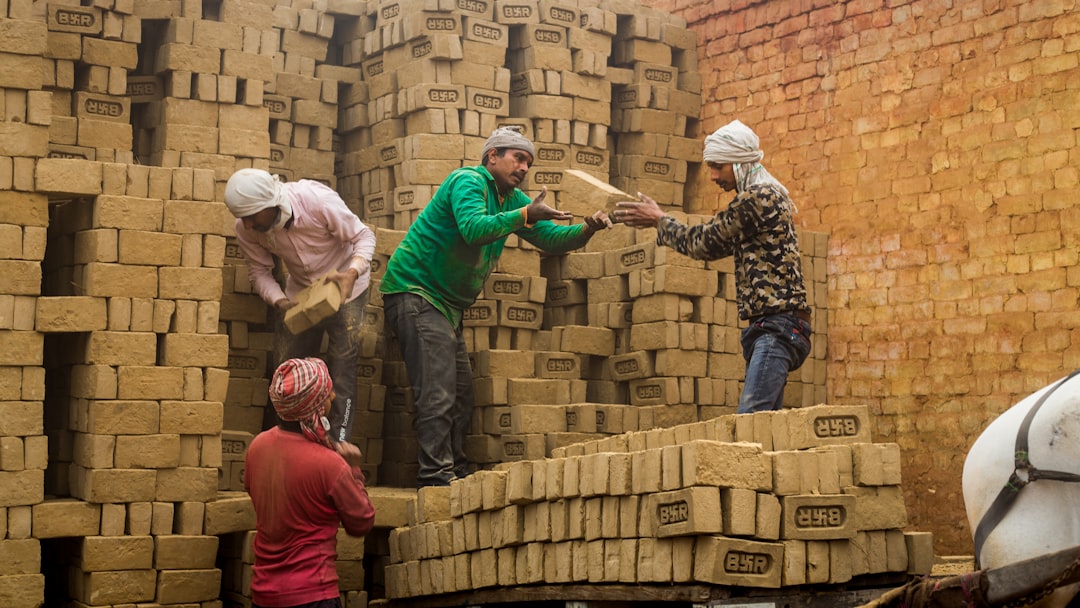
A brick is a rectangular block of building material, designed to be stacked and bonded together to form walls, columns, arches, and other structures. Bricks are one of the oldest manufactured building materials in the world — the earliest known fired bricks date back to around 3,000 BCE in the Indus Valley region (modern-day Pakistan and northwestern India).
What makes a brick useful as a building material comes down to a few key properties:
- Compressive strength — bricks are very strong when weight presses down on them. A standard clay brick can handle 3.5 to 35 N/mm² of compressive force depending on its grade.
- Durability — fired clay bricks can last centuries. Many brick buildings from the 1700s and 1800s are still standing.
- Thermal mass — brick absorbs heat during the day and releases it slowly at night, which helps regulate interior temperatures.
- Fire resistance — fired clay brick doesn't burn and doesn't contribute to fire spread.
- Low maintenance — well-laid brickwork needs minimal upkeep compared to timber or render finishes.
Types of Bricks
Not all bricks are the same. The type of brick you use has a significant impact on cost, performance, and suitability for different uses.
Clay Bricks (Fired)
The classic brick — made from clay, shaped, and fired in a kiln at temperatures between 900°C and 1,200°C. The firing process creates a hard, dense material. Clay bricks are used worldwide and are the benchmark against which other brick types are measured. They're excellent for exposed exterior walls, heritage buildings, and anywhere durability matters most.
Fly Ash Bricks
Made from fly ash (a byproduct of coal-fired power plants), cement, and water. These are extremely popular in India because they're cheaper than clay bricks, more uniform in size, and use an industrial waste product — making them a more sustainable choice. They're slightly lighter than clay bricks and have good compressive strength. Our detailed comparison of fly ash bricks vs red bricks covers everything you need to know about the differences.
AAC Blocks (Autoclaved Aerated Concrete)
Technically not "bricks" in the traditional sense, but used as a brick alternative. Made from cement, lime, sand, and an aluminium powder that creates bubbles in the mix — making the blocks very lightweight. AAC blocks offer good thermal insulation and are easy to cut and shape. They're widely used in India, and parts of Europe.
Hollow Bricks
Clay or concrete bricks with cylindrical holes running through them. The voids reduce weight and improve thermal insulation — less solid material means less thermal bridging. Common in Mediterranean climates, the Middle East, and increasingly in India for partition walls. Hollow bricks and their uses are covered in detail in our separate guide.
Concrete Blocks (CMU)
Made from Portland cement, aggregate, and water. Heavier and less visually appealing than clay bricks, but cheaper for large volumes. Widely used in the USA (where they're called Concrete Masonry Units or CMUs), Australia, and for below-grade (underground) construction globally.
Sand-Lime (Calcium Silicate) Bricks
Made from sand and lime rather than clay, these have a smooth, pale appearance. Common in Germany, the Netherlands, and parts of Scandinavia. Good acoustic insulation properties. Not suitable for areas exposed to water or below DPC (damp proof course) level.
Brick Standards in India
| Standard | Standard Brick Size (mm) | Min. Compressive Strength |
|---|---|---|
| IS 1077 (clay), IS 12894 (fly ash) | 230 × 110 × 70 | 3.5 N/mm² (Class 35) |
What Is Mortar?
Mortar is the binding material that holds bricks together. It fills the joints between bricks, bonds them into a unified structure, distributes loads evenly across the wall, and seals the gaps against wind and water.
Mortar is made from three basic ingredients:
- Cement — provides strength and sets hard. Ordinary Portland Cement (OPC) is most common.
- Sand — fine aggregate that gives mortar its body and workability. Must be clean, sharp sand — never beach sand with salt.
- Water — activates the cement hydration process. The water:cement ratio affects strength significantly.
Many mortar mixes also include lime, which improves workability, flexibility, and breathability — particularly important for older brick buildings that need to flex slightly with movement without cracking.
Types of Mortar
Cement Mortar
The most widely used type. Mix ratios typically range from 1:3 (cement:sand) for structural work to 1:6 for light partition walls. Stronger mixes set faster and are more rigid — but too strong a mortar used with soft bricks causes cracking, because the mortar becomes harder than the brick and forces movement into the brick face rather than the joint.
Lime Mortar
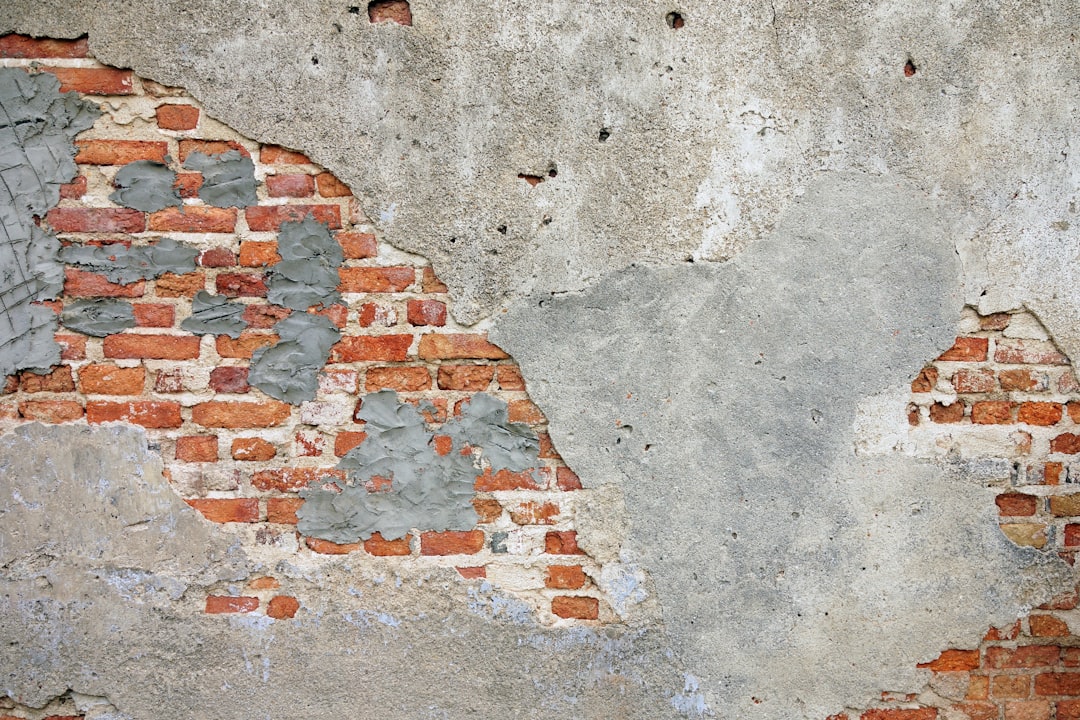
Traditional mortar used in buildings pre-dating the widespread use of Portland cement (roughly pre-1920). Lime mortar is softer, more flexible, and breathable — essential for historic buildings. Using cement mortar to repoint an old lime-mortared building is a common mistake that causes spalling and moisture damage.
Ready-Mix Mortar
Pre-blended cement, sand, and additives sold in bags. Just add water. More consistent than site-mixed mortar and saves time. Widely used on smaller residential projects. In India, brands like UltraTech Masonry Cement and ACC Suraksha are common; in the UK, Tarmac and Blue Circle dominate; in the USA, Quikrete Type S and Type N are standard.
Polymer-Modified Mortar
Standard mortar with polymer additives for improved adhesion, flexibility, and water resistance. Used where standard mortar would be insufficient — swimming pool surrounds, areas with frequent thermal movement, or retaining walls subject to water pressure.
Mortar Mix Ratios by Use
| Application | Mix Ratio (Cement:Sand) | Lime Addition | Notes |
|---|---|---|---|
| General brickwork (structural) | 1:4 to 1:5 | Optional | Most common for walls |
| Exposed / below-ground work | 1:3 | No | Higher strength, more water resistant |
| Internal partition walls | 1:5 to 1:6 | Yes | Weaker, but lighter load |
| Heritage / old brickwork | 1:2.5 lime:sand | Lime only (NHL 2 or NHL 3.5) | Breathable, flexible, reversible |
| High-exposure (coastal, sea front) | 1:3 with sulphate-resistant cement | No | Protects against salt attack |
How Brick and Mortar Work Together
Brick and mortar aren't just two materials — they're a system. Their relationship is more nuanced than most people realise, and getting it wrong causes real structural problems.
The key principle is mortar should always be weaker than the brick it bonds. This sounds counterintuitive — why would you want weaker mortar? — but the reason is that any movement in a wall (thermal expansion, settlement, vibration) needs to go somewhere. If the mortar is softer, the movement happens in the joint, which can be repointed. If the mortar is harder than the brick, the brick itself cracks or spalls. You cannot repoint a cracked brick face.
This principle is why using standard OPC cement mortar on old soft handmade bricks is so damaging. The original lime mortar was softer than the brick by design. Replacing it with hard cement mortar traps moisture and forces movement into the brick.
Modern construction with dense machine-made bricks has more flexibility because those bricks are themselves very hard — a 1:4 cement mortar is still softer than a grade M5 engineering brick.
Brick and Mortar Construction: How Walls Are Built
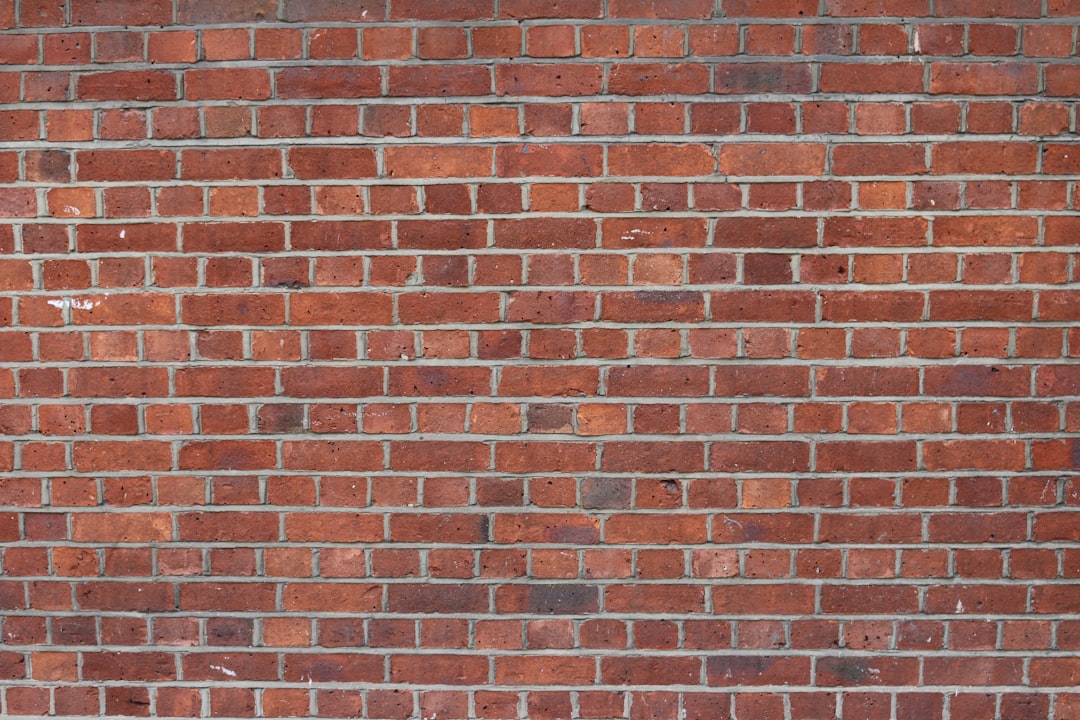
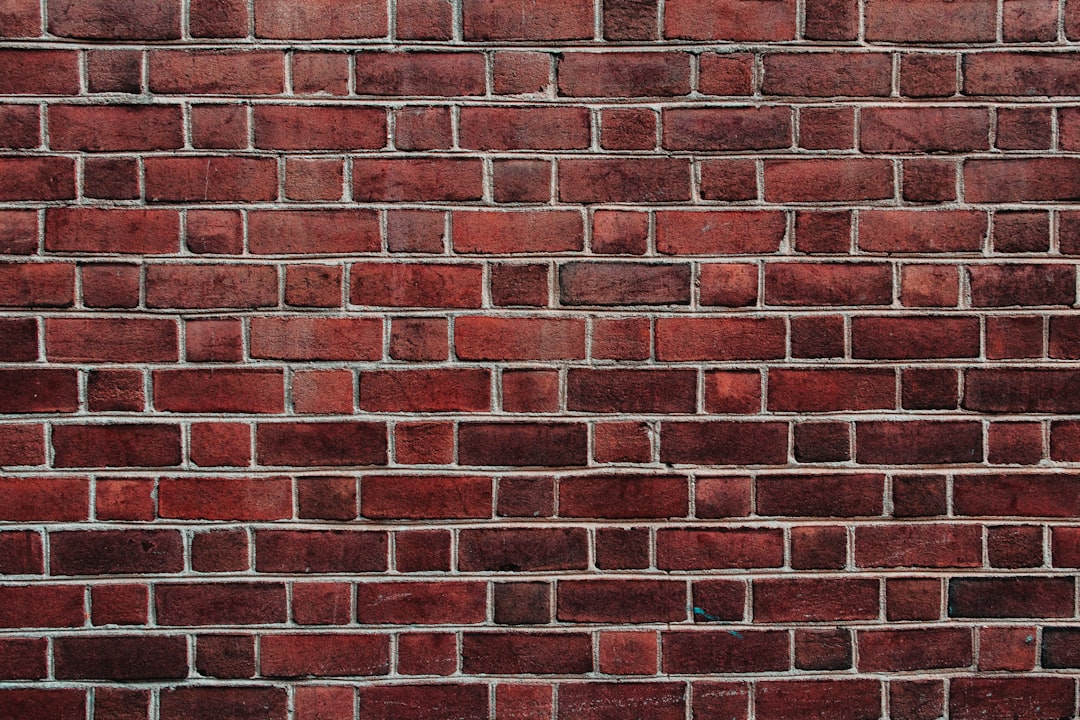
Bricks are laid in overlapping patterns called bonds. The overlap — which prevents vertical joints from aligning — is what gives a brick wall its structural strength. A wall with aligned vertical joints (called straight joints or stack bond) is significantly weaker and only used decoratively.
Common brick bonds:
- Stretcher bond — the most common in modern construction. Bricks laid lengthwise with each course offset by half a brick. Used for single-leaf (102 mm thick) cavity walls.
- English bond — alternating courses of stretchers and headers (bricks laid end-on). Very strong. Used in the UK for centuries for solid walls.
- Flemish bond — each course alternates stretchers and headers. Stronger appearance, popular in decorative brickwork.
- Running bond (common bond) — essentially the same as stretcher bond. The most used pattern in the USA and Australia.
Understanding how walls are structured relates directly to how well brickwork performs under load — something covered in detail in our comparison of brick masonry vs stone masonry.
Brick and Mortar Costs in India
| Brick Cost (per 1,000) | Ready-Mix Mortar (per 25kg bag) | Labour (per m² of brickwork) |
|---|---|---|
| ₹4,000–₹9,000 (clay); ₹3,500–₹7,000 (fly ash) | ₹180–₹350 | ₹150–₹350/m² |
Pro Tip: When budgeting brickwork, don't forget wastage. A standard 10% wastage allowance for bricks is usual on straightforward jobs; allow 15% for complex jobs with lots of cuts, curves, or openings. Mortar wastage is typically 20–25% on site-mixed mortar (spillage, over-batching), which is one reason ready-mix bags are often more economical for smaller jobs.
Common Brick and Mortar Problems (And How to Fix Them)
Crumbling Mortar Joints
Mortar has a finite lifespan — typically 25–50 years for cement mortar, longer for lime. When joints start crumbling, water gets in and freeze-thaw cycles accelerate the deterioration. The fix is repointing — raking out the old mortar to a depth of 15–20mm and replacing it with fresh mortar. This is one of the most important maintenance tasks for any brick building.
Cracked Brickwork
Cracks in brickwork can indicate settlement (normal in new builds, usually stabilises), thermal movement, or — more seriously — foundation or structural movement. Diagonal stair-step cracks following mortar joints are a classic sign of differential settlement. Horizontal cracks in retaining walls or below windows can indicate structural problems. Always get significant cracks assessed by a structural engineer before attempting repair.
Damp and Water Ingress
Brick walls allow some moisture movement — this is normal. Problems start when mortar joints fail, bricks spall, or the wall is saturated. The solution depends on the cause: repointing failed joints, applying a breathable water repellent sealer, or addressing drainage and DPC issues. Never use a waterproof paint or coating that traps moisture inside the wall.
The Phrase "Brick and Mortar" in Business
Outside construction, "brick and mortar" has become common business language — referring to a physical, physical-location business (a shop, office, or warehouse) as opposed to an online-only operation. A "brick-and-mortar store" is a shop you can walk into.
The phrase draws on the literal permanence and physicality of traditional brick construction — the idea that a real business occupies real space built from real materials. In the era of e-commerce, brick-and-mortar has taken on new significance as the thing that distinguishes physical retail from digital.
In construction, though, we use the term in its original sense — the two materials that, together, have built most of the world's housing, commercial buildings, and urban infrastructure for the past four thousand years.