
Introduction to Green Building Materials
As the world shifts towards sustainable living, the construction industry is also embracing eco-friendly practices. Green building materials are becoming increasingly popular, and for good reason. They offer a cost-effective and environmentally responsible alternative to traditional materials. In this article, we will explore the various green building materials available, their costs, and the international standards that govern their use.
What are Green Building Materials?
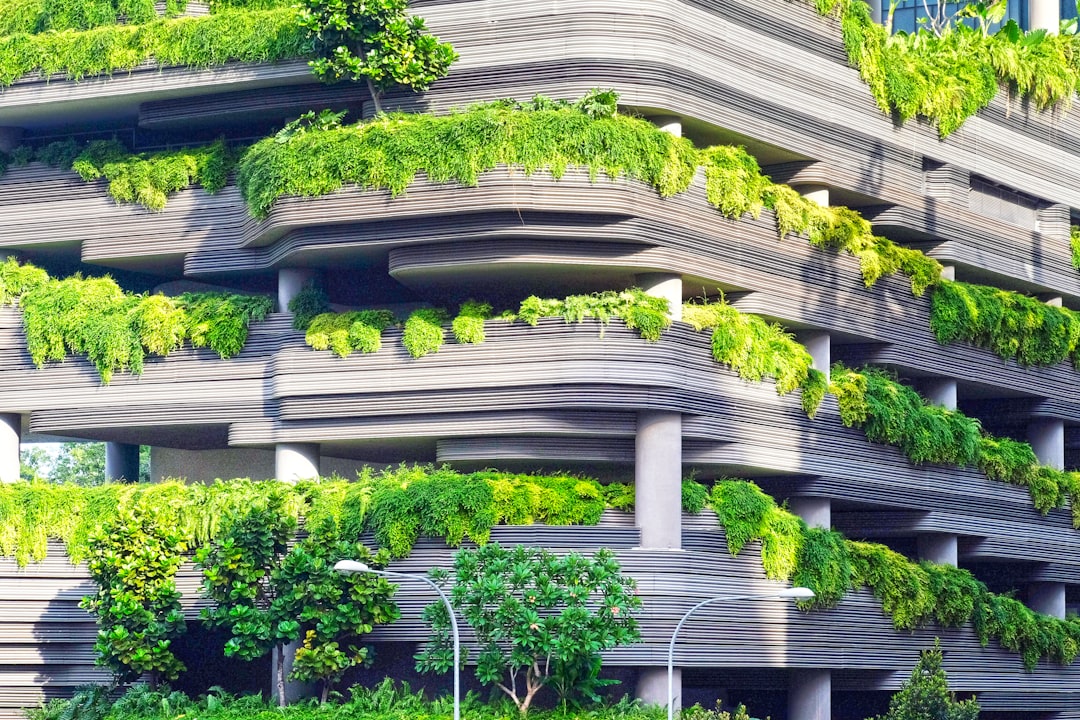
Green building materials are products that are made from sustainable sources, have a low environmental impact, and are designed to reduce waste and energy consumption. They can be used in various aspects of construction, from foundation to finish. Some common examples of green building materials include recycled glass, low-VOC paints, and sustainably sourced wood.
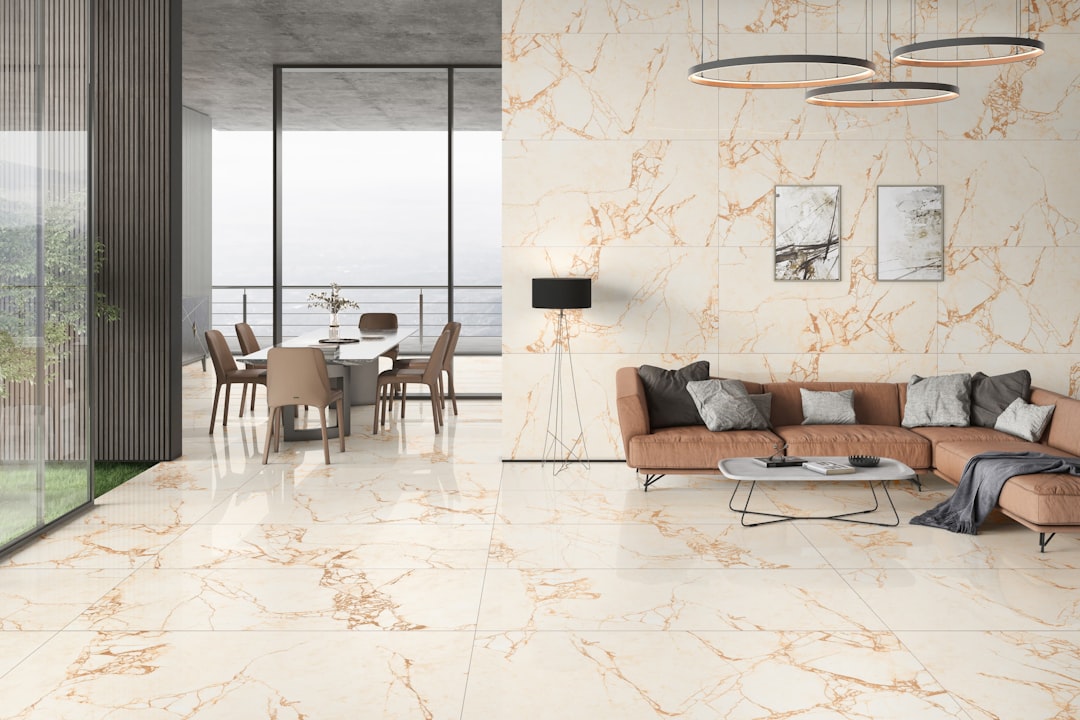
For instance, Fly Ash Bricks are a popular green building material in India, while Porcelain Tiles are a sustainable option for flooring.
Cost-Effective Eco-Friendly Options
The cost of green building materials can vary depending on the country and region. However, many eco-friendly options are becoming increasingly cost-competitive with traditional materials. The following table provides a country-wise price comparison of some common green building materials:
| Material | India (INR) | UAE (AED) | UK (GBP) | USA (USD) | Australia (AUD) |
|---|---|---|---|---|---|
| Recycled Glass | 50-100 per kg | 20-50 per kg | 30-70 per kg | 40-100 per kg | 60-150 per kg |
| Low-VOC Paint | 500-1000 per liter | 200-500 per liter | 300-700 per liter | 400-1000 per liter | 600-1500 per liter |
| Sustainably Sourced Wood | 500-1000 per cubic meter | 200-500 per cubic meter | 300-700 per cubic meter | 400-1000 per cubic meter | 600-1500 per cubic meter |
It is essential to note that these prices are approximate and can vary depending on the specific product and supplier.
International Standards for Green Building Materials
Green building materials must comply with various international standards, including IS codes, BS EN, ASTM, and AS/NZS. These standards ensure that the materials meet specific requirements for sustainability, durability, and performance.
For example, the M20 Concrete Mix Ratio is a standard that governs the use of concrete in construction. Similarly, the TMT Bar vs Rebar comparison is essential for understanding the different grades and standards of steel reinforcement.
Pro Tip from Naresh Sihag: When selecting green building materials, it is crucial to consider the entire lifecycle of the product, from production to disposal. Look for materials that have a low carbon footprint, are made from sustainable sources, and can be easily recycled or reused.
Conclusion
In conclusion, green building materials offer a cost-effective and eco-friendly alternative to traditional materials. By understanding the various options available, their costs, and the international standards that govern their use, builders and homeowners can make informed decisions about their construction projects. Whether you are building a new home or renovating an existing one, consider using green building materials to reduce your environmental impact and create a sustainable future.
Additionally, it is essential to consider the exterior and interior finishes, such as Exterior Wall Paint and Brick Masonry vs Stone Masonry, to ensure a durable and sustainable construction.