

Fly Ash Bricks vs Red Bricks: Complete Comparison (2026)
The debate between fly ash bricks and red bricks has been ongoing for years, with each having its own set of advantages and disadvantages. In this article, we will delve into the world of bricks and explore the differences between these two types of bricks, helping you make an informed decision for your construction project.
Introduction to Fly Ash Bricks and Red Bricks
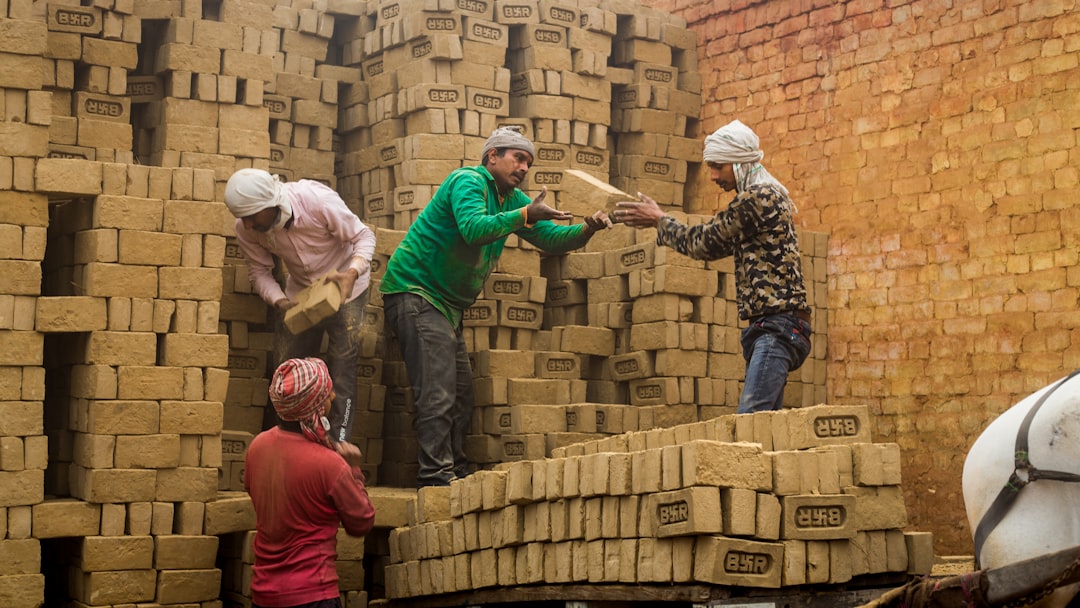
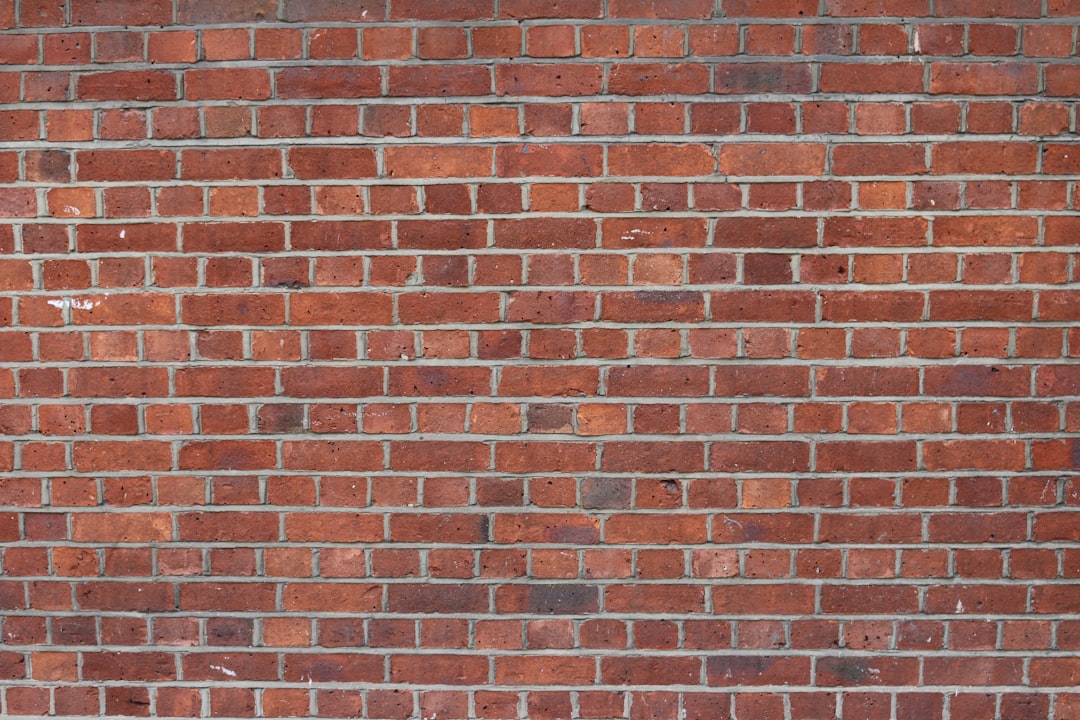
Fly ash bricks are made from fly ash, a by-product of coal combustion in power plants, mixed with lime, gypsum, and other additives. On the other hand, red bricks are made from natural clay and are one of the most commonly used building materials in the world.
Both types of bricks have their own set of standards, with fly ash bricks adhering to IS codes in India, BS EN in the UK, ASTM in the USA, and AS/NZS in Australia. Red bricks, on the other hand, follow similar standards, with some variations in different countries.
Comparison of Fly Ash Bricks and Red Bricks
Here are some key differences between fly ash bricks and red bricks:
- Strength: Fly ash bricks have a higher compressive strength than red bricks, with an average strength of 100-120 kg/cm² compared to 80-100 kg/cm² for red bricks.
- Durability: Fly ash bricks are more resistant to water and weathering than red bricks, making them a better choice for exterior walls and buildings in coastal areas.
- Cost: The cost of fly ash bricks is generally lower than that of red bricks, with prices varying depending on the country and region. The following table provides a rough estimate of the prices of fly ash bricks and red bricks in different countries:
| Fly Ash Bricks (per piece) | Red Bricks (per piece) |
|---|---|
| ₹ 4-6 | ₹ 6-8 |
It's worth noting that the prices mentioned above are approximate and can vary depending on the location, supplier, and other factors.
Environmental Impact
Fly ash bricks have a lower environmental impact than red bricks, as they are made from a waste product that would otherwise be discarded. Additionally, fly ash bricks require less energy to produce than red bricks, making them a more sustainable option.
Conclusion
In conclusion, both fly ash bricks and red bricks have their own set of advantages and disadvantages. While fly ash bricks are stronger, more durable, and cost-effective, red bricks are more traditional and widely available. Ultimately, the choice between fly ash bricks and red bricks depends on your specific needs and preferences.
For those looking to build a new home or structure, it's also important to consider other factors such as the type of TMT bar or rebar to use, the best exterior wall paint for your climate, and the differences between brick masonry and stone masonry. You may also want to consider the type of cement to use, such as OPC or PPC cement.
Pro Tip: When choosing between fly ash bricks and red bricks, consider the specific requirements of your project, including the climate, soil type, and desired aesthetic. It's also essential to ensure that the bricks you choose meet the relevant international standards, such as IS codes, BS EN, ASTM, or AS/NZS.