
AAC blocks vs red bricks — this is one of the most discussed material choices in Indian construction right now, and for good reason. Both are widely available, both are used for the same job (building walls), but they differ significantly in weight, thermal performance, cost, construction speed, and long-term impact on the building. Getting this choice right affects everything from your structural design to your electricity bill.
What Are AAC Blocks?
AAC stands for Autoclaved Aerated Concrete. AAC blocks are made by mixing cement, lime, sand, fly ash, and aluminium powder. The aluminium reacts with the alkaline mixture to produce hydrogen gas, which creates millions of tiny air bubbles throughout the block. The result is a lightweight, highly porous block that's then cured in an autoclave (high-pressure steam chamber) for strength.
The aeration gives AAC blocks their defining characteristics: they're approximately 3–4 times lighter than standard clay brick and have far superior thermal insulation.
What Are Red Bricks?
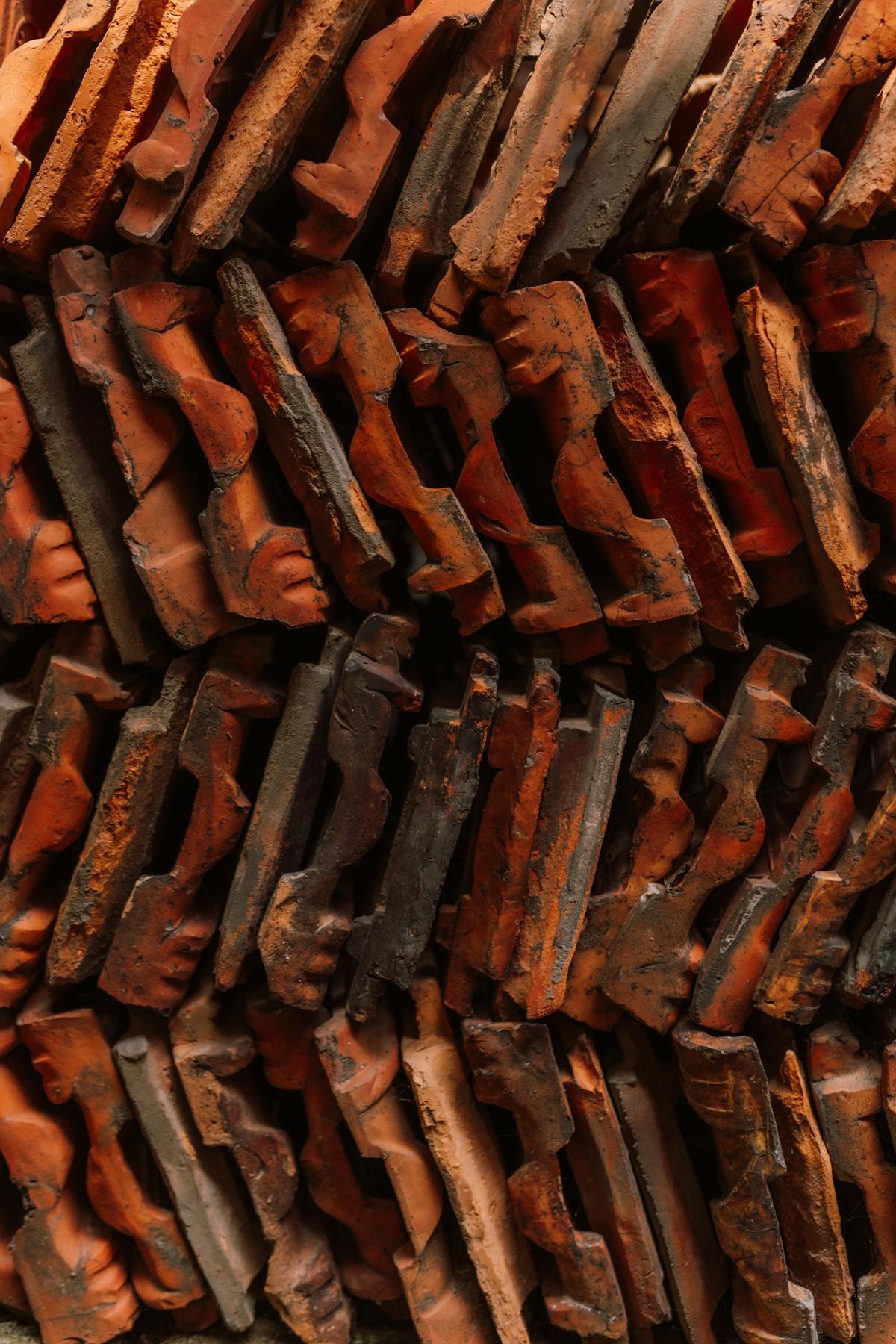
Red bricks are the traditional fired clay brick — made from clay, shaped, and fired in a kiln at 900–1,100°C. Their red colour comes from iron oxide in the clay. They're dense, heavy, strong, and have been the dominant wall material across India, and much of the world for centuries.
Head-to-Head Comparison
| Property | AAC Blocks | Red Clay Bricks |
|---|---|---|
| Density | 400–800 kg/m³ | 1,600–2,000 kg/m³ |
| Weight per unit | ~7–10 kg (600×200×200mm block) | ~3 kg (230×110×70mm brick) |
| Compressive strength | 2.5–5 N/mm² | 3.5–35 N/mm² (grade dependent) |
| Thermal insulation (U-value) | Excellent — 0.18–0.24 W/m²K (200mm wall) | Poor — 1.2–2.0 W/m²K (230mm wall) |
| Sound insulation | Good | Better (denser material) |
| Fire resistance | Excellent (up to 4 hours for 200mm) | Excellent |
| Water absorption | High (porous) — needs protection | Medium — 10–15% |
| Construction speed | Faster — larger block size | Slower — more units per m² |
| Environmental impact | Lower — uses fly ash waste | Higher — soil extraction, kiln firing |
| Cost (per m² of wall) | Comparable to slightly higher | Baseline |
The Thermal Performance Advantage of AAC
This is the biggest practical advantage of AAC blocks in India. The air pockets that make AAC lightweight also make it an excellent thermal insulator — it resists heat transfer far better than solid brick.
In a hot climate, a 200mm AAC wall has a thermal resistance (U-value) of approximately 0.20–0.24 W/m²K. A 230mm red clay brick wall has a U-value of approximately 1.8–2.0 W/m²K — meaning it transfers heat about 8× faster.
In practical terms: buildings with AAC block walls can use 15–25% less electricity for air conditioning compared to equivalent buildings with standard clay brick walls. Over 10–15 years, this saving often exceeds the higher material cost of AAC.
Structural Limitations of AAC
AAC has lower compressive strength than clay brick — typically 2.5–5 N/mm² vs 3.5–15+ N/mm² for clay. This means:
- AAC is excellent for non-load-bearing walls (partition walls, infill panels in RCC frame construction)
- For load-bearing masonry construction (walls that carry the floor and roof loads directly), consult a structural engineer before using AAC — it can be used but the wall design needs to account for the lower strength
- Most modern multi-storey residential construction uses an RCC frame (columns and beams) with AAC infill walls — this is the ideal application
Pro Tip: For RCC-framed construction (which is most modern residential buildings), AAC blocks are the clear winner for infill walls — better thermal performance, faster construction, lighter dead load on the structure, and comparable cost. Only choose red bricks over AAC if you are building traditional load-bearing masonry construction without an RCC frame, or in areas where AAC is not readily available.
Construction Speed Comparison
AAC blocks are much larger than bricks. A single 600×200×200mm AAC block covers the same wall area as approximately 8–10 standard bricks. A skilled mason can lay:
- Red bricks: 300–500 bricks per day
- AAC blocks: 100–150 blocks per day (but each block covers 8× the area)
This translates to roughly 2–3× faster wall construction with AAC — which reduces labour cost and construction time significantly on large projects.
Cost Comparison India 2026
| Material | Unit Cost | Cost per m² of 200mm Wall (materials only) | Labour per m² |
|---|---|---|---|
| Red clay brick | ₹6–₹12 per brick | ₹700–₹1,400 | ₹150–₹300 |
| Fly ash brick | ₹4–₹8 per brick | ₹450–₹900 | ₹150–₹300 |
| AAC block (600×200×200mm) | ₹50–₹80 per block | ₹600–₹1,000 (fewer units, thinner mortar) | ₹80–₹180 |
IS Standards
- AAC Blocks: IS 2185 Part 3 — covers autoclaved cellular concrete blocks
- Clay Bricks: IS 1077 — common burnt clay building bricks
- Fly Ash Bricks: IS 12894
For a fuller picture of AAC blocks in the context of all brick alternatives, see our guide on AAC blocks vs bricks. For fly ash bricks specifically — still the most popular alternative to clay in India — see fly ash bricks vs red bricks.