
Expert Construction Material Insights — Since 2024 info@bricksstreet.in
Building Materials

Types of Roofing Materials: Cost, Lifespan & Which to Choose

Every roofing material type compared — clay tiles, metal, concrete tiles, asphalt shingles, flat RCC, and slate. With lifespan, maintenance, and costs for India, UK, USA, UAE, and Australia.

Updated: Jun 22, 2026
5 min read
16 views
Share
types of roofing materials

Your roof is the single most important barrier between the inside of your building and everything outside — rain, heat, wind, and cold. Choosing the wrong roofing material for your climate can lead to leaks, extreme heat gain, high energy bills, or expensive maintenance. Getting it right means decades of trouble-free performance.

This guide covers every major roofing material type — clay tiles, metal, concrete tiles, asphalt shingles, GI sheets, and flat RCC — with suitability by climate, lifespan, maintenance needs, and costs across India, UAE, UK, USA, and Australia.

1. Clay / Terracotta Tiles

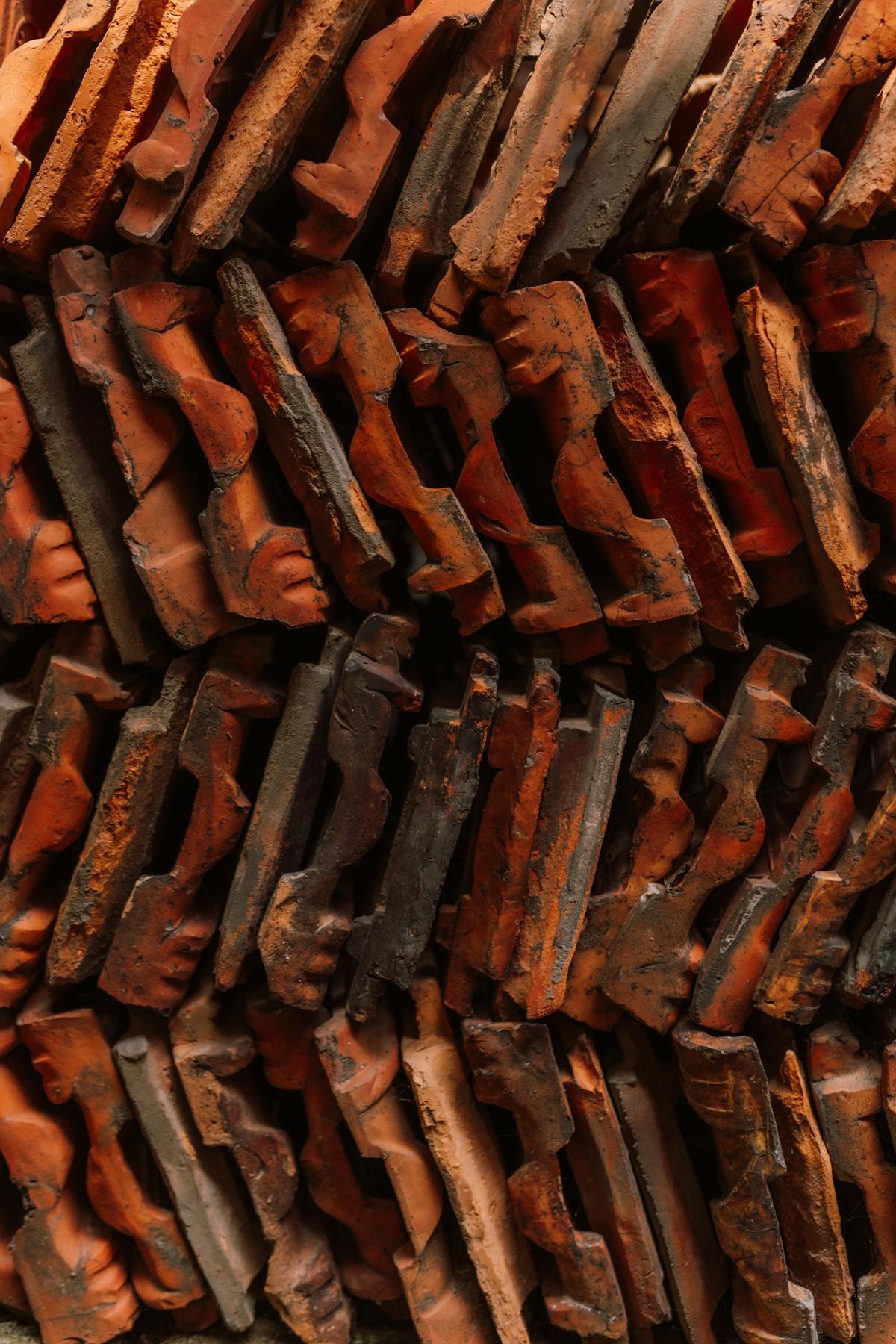
One of the oldest roofing materials in the world. Clay tiles are fired at high temperature to create a hard, durable product with excellent thermal mass properties. They're heavy, long-lasting, and beautiful — but they require a strong roof structure to support their weight.

Lifespan: 50–100 years
Best climates: Hot and dry (India, UAE, Mediterranean), also good in wet tropics
Weight: 40–60 kg/m² — requires substantial roof structure
Maintenance: Check and replace cracked tiles every 5 years; regrout ridges every 10–15 years

Cost per m²: India ₹300–₹800; UAE AED 50–120; UK £30–£80; USA $10–$25; Australia A$40–A$100

2. Concrete Roof Tiles

Made from Portland cement, sand, and water — pressed into tile profiles that mimic clay tiles or slates. Heavier and less aesthetically refined than clay, but significantly cheaper and widely available.

Lifespan: 30–50 years
Best climates: Most climates — avoid in severe freeze-thaw unless specified as frost-resistant
Weight: 40–50 kg/m²

Cost per m²: India ₹200–₹500; UK £15–£45; USA $8–$18; Australia A$25–A$60

3. Metal Roofing (Steel, Aluminium, Zincalume)

Metal roofing has evolved enormously in the past 20 years. Modern steel and aluminium roofing systems (standing seam, corrugated, trapezoidal profile) offer excellent performance — lightweight, durable, recyclable, and available in a wide range of colours and profiles.

Types:

  • Galvanised Iron (GI) / Colour Coated Steel: Most common in India and South Asia for industrial and agricultural buildings. Also used in affordable residential construction.
  • Zincalume / Colorbond (Australia): Zinc-aluminium alloy coated steel — excellent corrosion resistance. Colorbond is the dominant residential metal roofing brand in Australia.
  • Standing seam: Premium concealed-fastener system with no exposed screws — very durable, clean appearance. Common in Europe and premium USA construction.
  • Aluminium roofing: Lightweight, doesn't rust, common in coastal applications.

Lifespan: 30–70 years depending on coating type and environment
Weight: 3–15 kg/m² — very lightweight, suits lightweight roof structures
Best climates: All climates — choose appropriate coatings for coastal or aggressive environments

Cost per m²: India ₹250–₹700 (GI colour-coated); UK £30–£80; USA $10–$25 (metal panels); Australia A$20–A$80 (Colorbond)

Pro Tip: Metal roofing in hot climates like India and the UAE can significantly increase interior temperatures if uninsulated. Always specify a reflective or light-coloured coating (Solar Reflectance Index SRI > 29) and add insulation below the sheets. The combination reduces cooling load by up to 30%.

4. Asphalt / Bitumen Shingles

The dominant residential roofing material in the USA and Canada, accounting for approximately 80% of the market. Asphalt shingles are fibreglass mats saturated with asphalt and coated with mineral granules. They're relatively light, affordable, easy to install, and come in a huge range of colours and profiles.

Not common in India, UAE, or Australia — the UV intensity and heat in these climates degrades asphalt faster than in temperate North American climates.

Lifespan: 20–30 years (3-tab); 30–50 years (architectural / dimensional)
Cost per m²: USA $8–$20; UK £15–£35 (limited market)

5. Flat RCC Roof (Reinforced Concrete)

The most common roof type in India and the UAE for residential construction. An RCC flat slab provides structural support and acts as the roof, typically with a screed layer, waterproofing treatment, and sometimes a brick tile or mosaic finish on top.

Advantages: Provides usable terrace space, very strong, long-lasting, and can bear significant loads (water tanks, solar panels, mechanical equipment).

Disadvantages: High thermal gain — concrete absorbs enormous heat during the day and releases it into the room at night, significantly increasing air conditioning load. Requires proper waterproofing that needs periodic renewal.

Cost: Approximately ₹350–₹600 per sq ft for RCC roof construction in India (concrete + steel + formwork + labour). For the full construction cost breakdown including roofing, see our guide on house construction cost per sq ft.

6. Slate Roofing

Natural slate is one of the most beautiful and longest-lasting roofing materials available. It's quarried stone, split into thin tiles, and fixed to roof battens. Very common in Wales and the UK; also used in high-end construction in Ireland, France, Spain, and Australia.

Lifespan: 100–200 years (the slate itself — fixings may need replacing at 50–80 years)
Weight: 25–35 kg/m²
Cost per m²: UK £80–£200; Australia A$100–A$250; USA $20–$50

Roofing Material Comparison Table

Material Lifespan Weight (kg/m²) Maintenance Best Climate
Clay tiles 50–100 yrs 40–60 Low Hot/dry, tropical
Concrete tiles 30–50 yrs 40–50 Low-medium Most climates
Metal (Colorbond/GI) 30–70 yrs 3–15 Low All (with right coating)
Asphalt shingles 20–50 yrs 8–12 Low Temperate (USA)
Flat RCC 50+ yrs (structure) 250–350 Medium (waterproofing) Hot/dry (India, UAE)
Natural slate 100–200 yrs 25–35 Low Temperate, cool (UK)

For help with waterproofing your flat RCC roof — the most maintenance-intensive aspect of this roof type — see our complete guide on how to waterproof a roof.

Frequently Asked Questions

For hot climates like India and the UAE, clay/terracotta tiles are excellent — high thermal mass absorbs heat during the day and releases it slowly, moderating interior temperature. Light-coloured metal roofing with high Solar Reflectance Index (SRI > 29) and insulation is also very effective. Avoid dark metal roofing without insulation — it causes extreme heat gain.

Metal roofing lifespan depends on the material and coating: Colorbond (Zincalume coated) lasts 40–70 years in most environments. Standard galvanised steel lasts 30–50 years. Aluminium lasts 40–70 years. Standing seam steel can last 50+ years. Coastal and industrial environments shorten these lifespans — use marine-grade or specially coated products in aggressive environments.

For residential construction in India, RCC flat roof (for terraced use) or clay/terracotta tiles (for sloped sections) are the most common and effective choices. RCC provides usable terrace space and structural durability. Clay tiles offer excellent heat resistance and low maintenance. Metal (colour-coated GI) sheets are used for agricultural, industrial, and budget residential construction.

The cheapest roofing options are: corrugated GI (galvanised iron) sheets in India (₹250–₹500/m²), asphalt shingles in the USA ($8–$15/m²), and concrete tiles in Australia (A$25–A$50/m²). While cheap upfront, lower-cost materials typically have shorter lifespans and higher long-term maintenance costs. The total life-cycle cost often favours higher-quality materials.

Naresh Sihag
About the Author
Naresh Sihag
Founder & CEO at BricksStreet

With 15+ years of experience in the construction industry, Naresh Sihag is a renowned expert in building materials and construction practices. He founded BricksStreet to share actionable knowledge with builders, architects, and homeowners across India.

Tags: